Real-time design support, inside Revit.
Stop waiting for late consultant reports or wrestling with black-box engines. LU-NDT brings an AI consultant and transparent energy and daylight analysis directly into your architectural design process, tuned for Swedish building regulations. Join our pilot for a free two-week trial.
- Real-time
- feedback as you model
- Transparent
- building physics based
- Normative
- Swedish building regulation based
An educational tool for students, a time saver for professionals. Built to support energy-efficient building design
Have a look at LU-NDT
Data-driven decisions, from the very early stage.
LU-NDT is built for architectural and engineering firms that want to design energy-efficiently without slowing down — saving time, avoiding costly late-stage redesigns, and giving you a head start on regulatory compliance.
Real-time energy & daylight
Analysis runs as you model. See the consequences of your design decisions in seconds, not weeks.
Transparent, not black-box
Every input and intermediate result is visible — so you and your team can understand the numbers.
Swedish regulations
Built around the codes all architectural firms actually have to comply with in Sweden. BBR, Sveby standardized input data, and the ISO 52016-1 calculation method.
AI-powered consultant
LU-NDT's built-in AI agent pinpoints which building element is causing a performance failure — and how to fix it — instead of generic energy efficiency tips, supporting the entire design process.
Be among the first to explore LU-NDT.
We're inviting a small group of architectural practices to join our trial. Leave your details and we'll send you the installation package — two weeks of free access, no subscription required.
- Early access to the tool
- Direct line to the LU-NDT team
- Shape the roadmap with your feedback
The people behind LU-NDT
LU-NDT began as a PhD research project at Lund University, focused on ICT support for energy-efficient building design. Developed with backing from Lund University and support from LU Innovation, the project has evolved from an academic research initiative into a practical solution for the building industry.
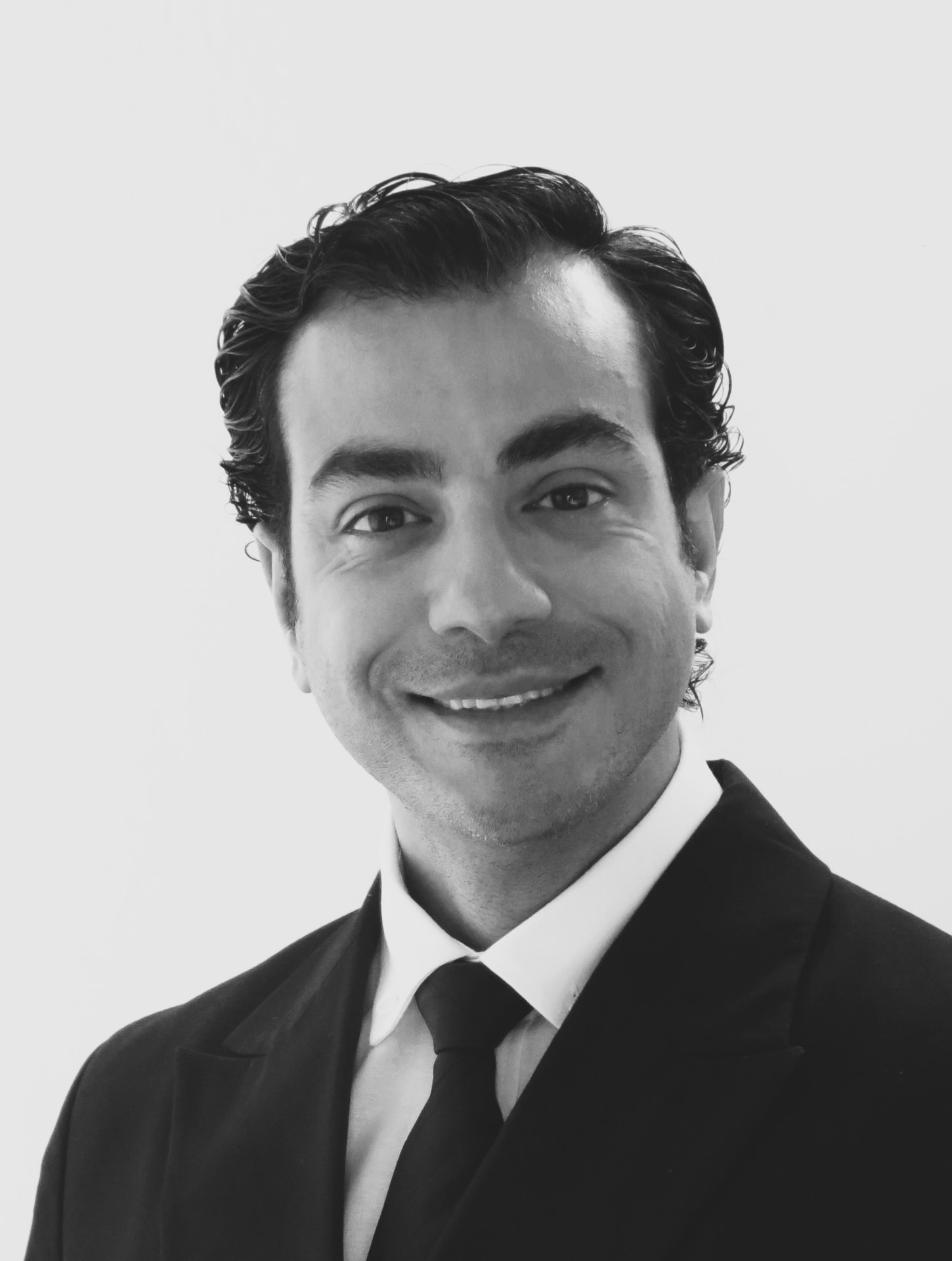
Pouria Elahi
Founder & Technical Lead
PhD researcher, Energy and Building Design, LTH
Energy and building design PhD researcher with a background in Building and Structural Engineering. Focuses on ICT-support for energy-efficient design, building simulation, and energy analysis at Lund University.
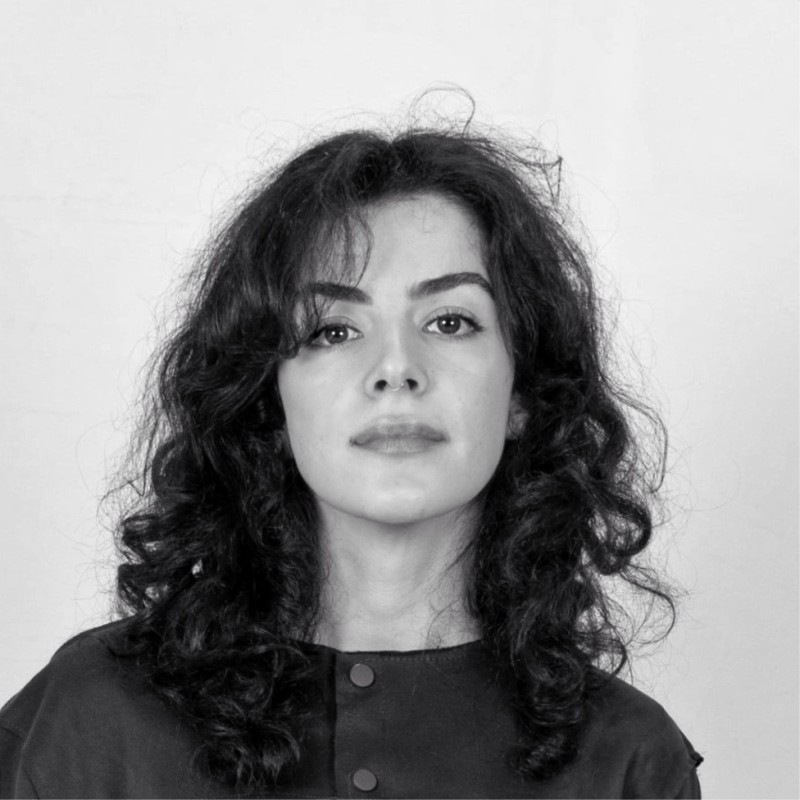
Maria Karamitsiou
Commercialization Lead
MSc student in Energy-efficient and Environmental Building Design, LTH
Maria started LU-NDT's commercialization in summer 2026 through the Leapfrogs programme and has since led its market research, brand development, website design and first business model. She now leads the commercialization strategy, pilot studies with future users and testing of the tool to find the improvements it needs before launch. Her background is in architecture and sustainability consulting, with expertise in building performance simulation and sustainable retrofit design.

Farsana Abdulla
Product Research & Operations Lead
MSc student in Energy-efficient and Environmental Building Design, LTH
Farsana improves LU-NDT through user research, pilot feedback and competitor analysis. She also coordinates team operations, onboards new members and writes the tool's technical documentation and user guides. She brings over three years of experience as an architect and project coordinator.
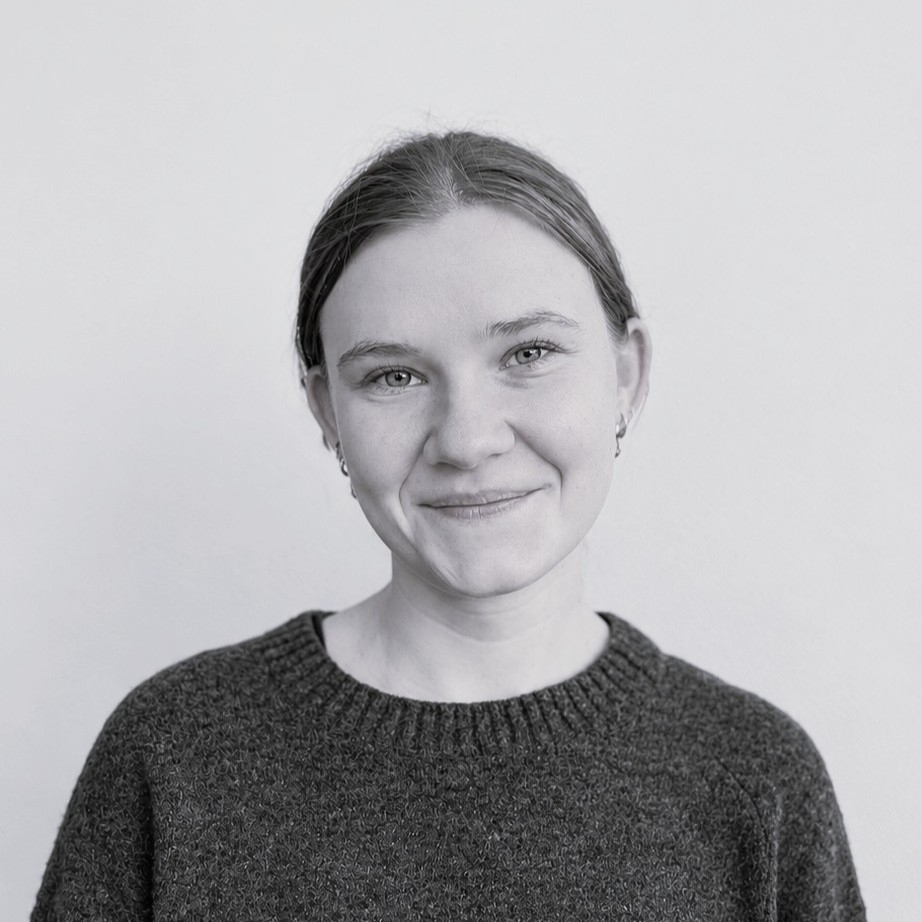
Maria Małgorzata Klesyk
Website & Interface Lead
MSc student in Energy-efficient and Environmental Building Design, LTH
Maria is responsible for the LU-NDT website's design, structure and content, and for improving the tool's user interface. She is an architectural technologist with a background in BIM, life cycle assessment and building performance simulation. She has worked in the Danish construction industry, both for a manufacturer and in architectural practice.
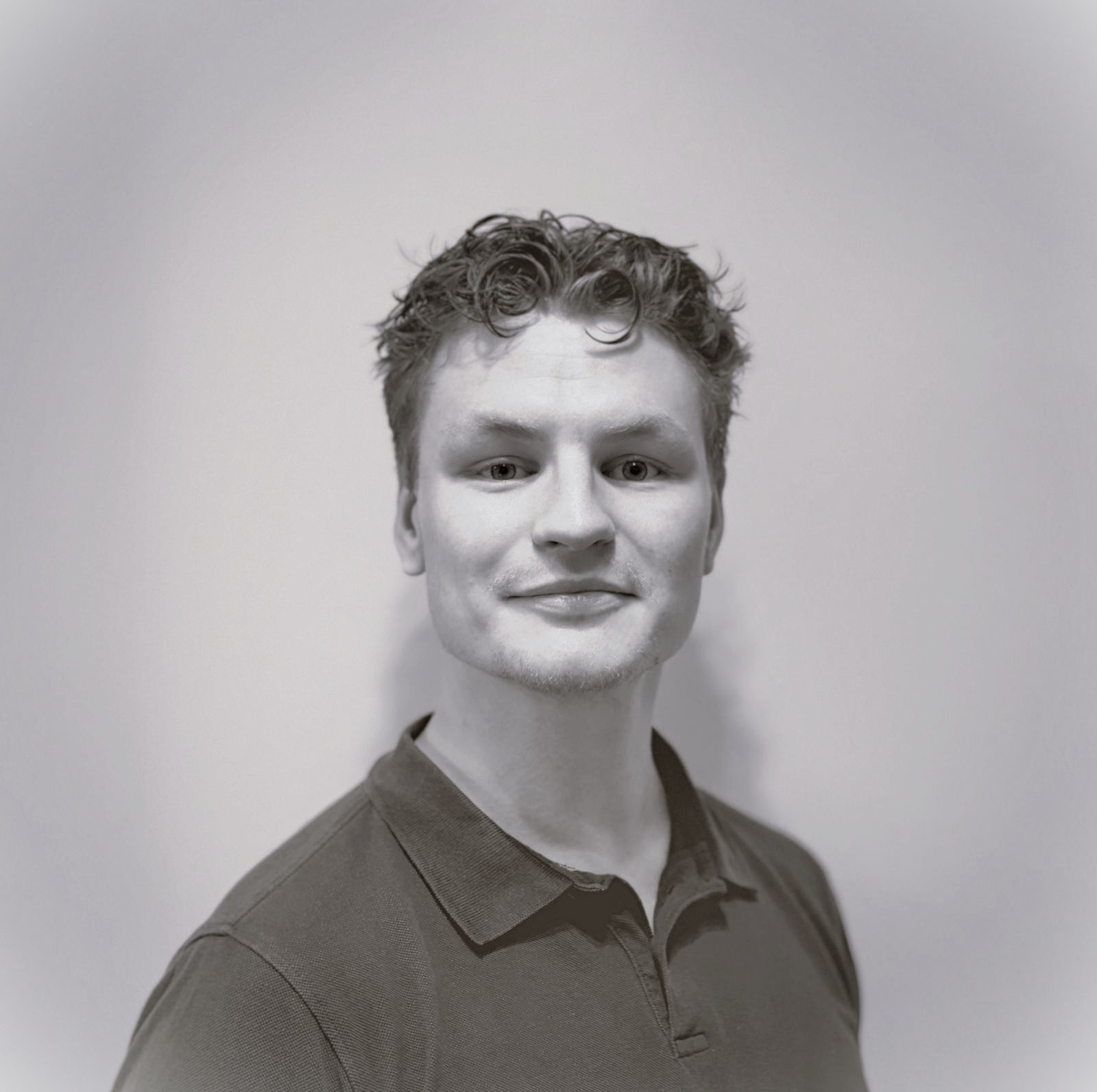
Nils Tanner
Communications & Regulations Lead
MSc student in Energy-efficient and Environmental Building Design, LTH
Nils leads LU-NDT's external communication with firms and potential clients, including pilot sign-ups and follow-ups. He also helps the team work with Swedish building standards and other regulations, and supports all parts of the project where needed. He holds a BSc in Architecture from Robert Gordon University in Scotland and has experience in architecture and customer-facing roles.
This summer, that transition took a big step forward: LU-NDT joined Leapfrogs, the summer accelerator for student ventures at X-Lab, alongside more than twenty other student teams from Lund University, Blekinge Institute of Technology, and Kristianstad University. It's the story of how research gets applied, tested, and shaped into something the industry can actually use.
Associated Projects
iBIM
iBIM is a mobile and web app in development that lets homeowners and residents run a simple energy simulation of their home. Users start from basic inputs such as floor area, a sketched floor plan and mobile LiDAR scans. The app then suggests energy renovations, estimates what they could save and connects users with vendors offering suitable, sustainable products. The goal is to make energy-efficient living easier to understand and act on.
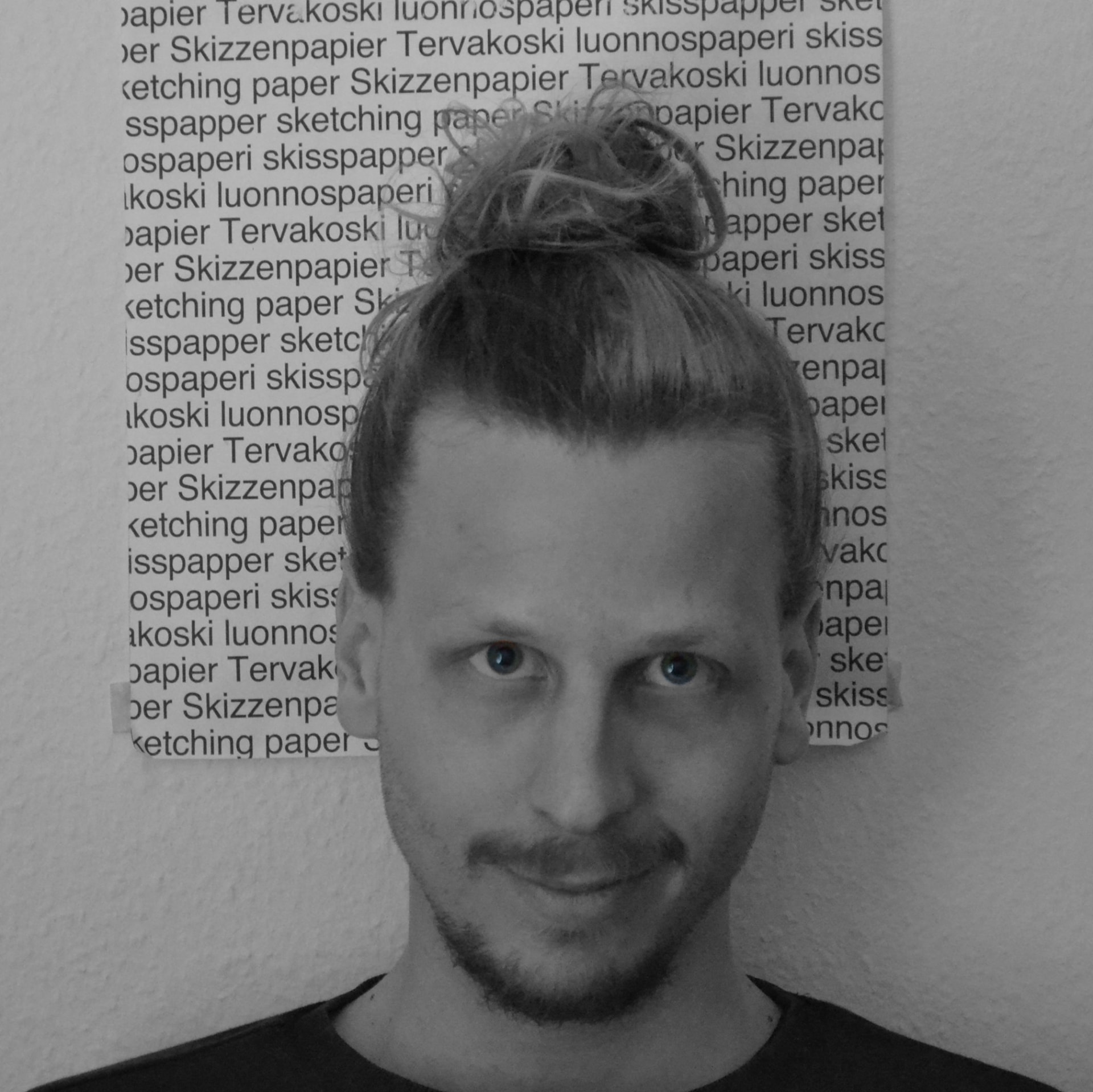
Botond K. Gazda
Product Design and Development Lead – iBIM
MSc student in Energy-efficient and Environmental Building Design, LTH
Botond leads product design and development of iBIM and collaborates on the LU-NDT project. He is an architectural technologist and computational designer who specialises in building performance analysis.
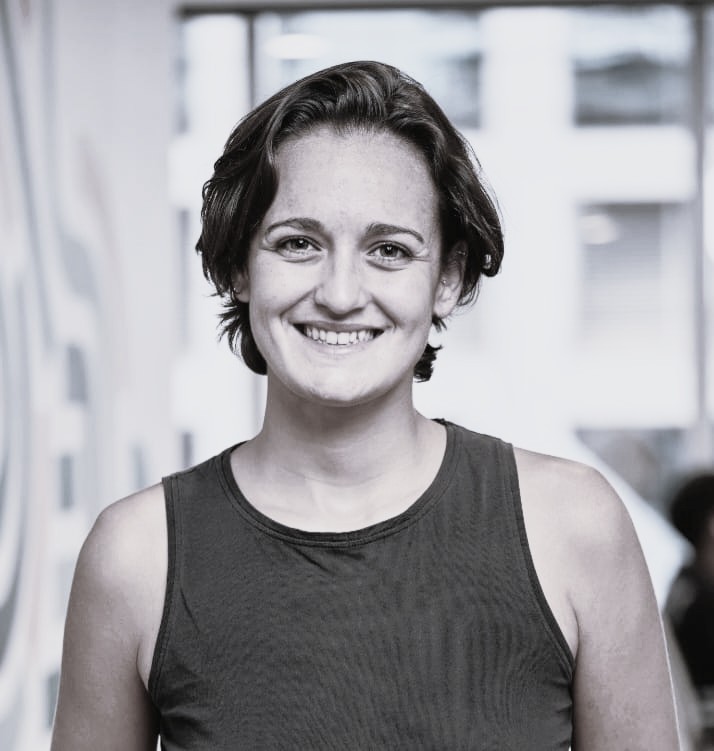
Alba Sánchez Sandoval
Technical Development Lead – iBIM
MSc student in Energy-efficient and Environmental Building Design, LTH
Alba is co-developing iBIM. She works on the tool’s concept, prototyping and coding, using her expertise in building performance. She also collaborates on the Lund-T project. Her background is in architecture and urban planning, with a focus on building performance.
LU-NDT is now taking its next step: moving from a two-person accelerator project into a growing team.
Help us build what's next
If you're a student or researcher who wants hands-on experience building a real product from the ground up, we'd love to hear from you — whatever stage you're at.
We're looking for people with backgrounds in:
AI & Machine Learning
Training and deploying models, applied ML engineering.
Software Engineering
Product, tooling.
Business & Commercialization
Go-to-market, partnerships, and growth.
Sustainability & Building Design
Energy performance, architecture, and building physics.
Get in touch
If your company works with buildings, energy or sustainability, we'd like to talk about working together.
The LU-NDT Team
Pouria Elahi
Lund University, Faculty of Engineering (LTH)
Division of Energy and Building Design (EBD)
Dept. of Building and Environmental Technology
P.O. Box 118, SE-221 00 Lund, Sweden
John Ericssons väg 1